



Today we’re talking Beaujolais, a little wine region situated in eastern France with a huge history. Ninety-eight of the vineyards in Beaujolais grow Gamay, a low tannin and high acid grape that makes absolutely delicious red wine. The region’s white wine is made from Chardonnay. In the coming weeks, the area will get a lot of buzz thanks to Beaujolais Nouveau, but we have so much to thank this region for when it comes to wine—and more specifically LOTS to thank it for when it comes to the natural stuff.
The History of Beaujolais
Beaujolais and wine go way back. In the Middle Ages, the area mainly produced wine made from Pinot Noir grapes, but as workers began dying from the Black Plague, the lords and ladies decided a less fussy grape was needed in order to keep their industry afloat—enter: Gamay. Silk workers (the Canuts) and the Lyonnaise bourgeois alike drank it in Bouchon restaurants serving classic French cuisine—think coq au vin, duck, pâtés, and roasted pork. These rich dishes begged for something to take the edge off, hence why Gamay became the most popular grape in Lyon.
The Lyonnaise upper class sang praises on Beaujolais’s wine in Paris, and the capital city soon became a new market for the region thanks to its proximity to canals linking the Loire River and the Seine. When the railway made it to France, forget about it! Wine from all over the country had made it into trendy Parisian bistros and even as far as London. The rest is history! Kind of.
Soon after, Beaujolais fell victim to the Phylloxera Epidemic in the late 9th century. If you want to learn more about wine, you should really understand the epidemic and its impact on the industry. (Read about it here from people way smarter than little old me.) Entomologists (thankfully) introduced American stock grafts to the region that were resistant to the bug, in turn saving the industry in Beaujolais and Europe at large.
Beaujo & Natural Wine
You can thank Beaujolais for your cozy neighborhood natural wine bar. More specifically you can thank Jules Chauvet who is widely considered the godfather of natural wine. After training as a chemist in university, Chauvet returned to his family’s domaine in Beaujolais at the end of WWII and noticed a stark difference between pre- and post-war wine. The war’s end introduced winemakers to chemical and technological advancements that sped up the vinification process. Additives and commercial yeasts hit the market soon after the war, and the wine just fell flat for Chauvet. He used his scientific background to understand spontaneous fermentation and low-intervention winemaking. By using these old school techniques and preserving wines in the cellar, he laid the foundation of natural wine as we know it today.


After Chauvet came the Gang of Four—the knights of the round table that is natural wine in Beaujo, if you will. Marcel Lapierre, Jean Foillard, Jean-Paul Thévenet, and Guy Breton studied Chauvet’s ways and practically birthed a new nation out of this region that spans roughly 34 miles. These winemakers focused on terroir, not the things you added to wine to make it taste good. Their wines were—are!—complex and ever changing, which got people listening—or drinking, I should say.
Carbonic Maceration
Chauvet returned to tried and true winemaking methods to preserve the fruit’s natural beauty. Carbonic maceration does a wonderful job of this. After the fruit is harvested in the vineyards, most wineries remove the grapes from their stems before they begin the winemaking process. In Beaujolais they opt to leave the fruit on its stem. Once all the grapes are in the vat—the vessel the grapes are essentially being “juiced” in—the grape clusters on the bottom are crushed under the weight of the rest of the fruit. This crushed fruit releases juice that in turn releases the yeast needed to turn sugar into alcohol. When those first drops of juice turn into booze, the rest of the grapes become exposed to CO2 (that’s where the “carbonic” comes from). Grapes are under a lot of stress in this scenario—alcohol is literally being made inside of them!!! Then they finally burst, releasing all that pent-up alcohol-laden juiciness. If you’re geeked out, read this.
This process makes gorgeous wine that’s fruitier and less tannic. In short, it crushes. If you think you don’t like red wine, find one made in this way. Carbonic maceration is a very natural approach to winemaking—the winemaker is literally letting all the grapes do the work. Sure, nature guides the winemaker, but the process has to be calculated in order for it to turn out right. Sometimes it can go awry, causing wine to taste too barnyard-y or horse-y or it could even be described as having too much volatile acidity. Some palates crave that funk, so whether or not it was a flop is up to you and your tastebuds.
Beaujolais Blows Up
By the 1980s, Beaujolais found itself on wine lists in New York and London. This decade also saw the rise in excitement around Beaujolais Nouveau—which you will probably hear whispers of at your local wine haunt in the coming weeks. Winemaker Georges Duboeuf is credited with drumming up this excitement. And while some people see the third Thursday of November as a huge gimmick, those of us who love an excuse to get together and raise a glass jump at the opportunity to do just that. There are parties and festivals, the most notable ones in Beaujolais itself. Les Sarmentelles, the celebration in Beaujeu, lasts five days.
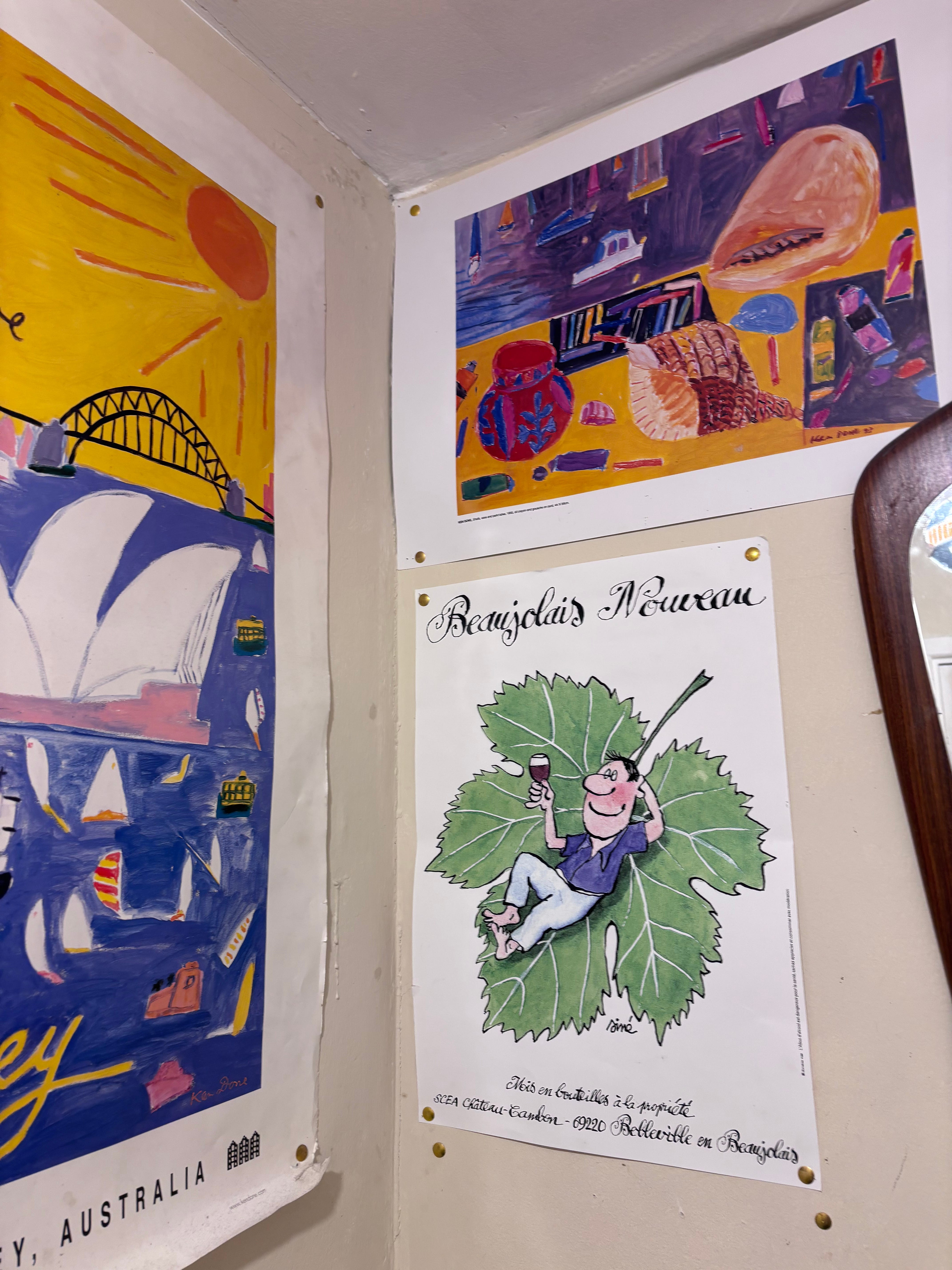
Beaujolais Nouveau began as an early release wine that was drunk by vineyard workers to celebrate the end of the harvest—the third Thursday of November. One third of the region’s winemaking is devoted solely to this release, which is pretty insane when you think about it. There are over 35 million bottles distributed to 110 countries, sealed with labels instructing the receiver to leave it sealed until release day—it’s like Christmas.
Harvest begins in September, and six weeks later the wine is bottled. You might’ve heard of Beaujolais Nouveau’s Portuguese counterpart, vinho verde, which translates to “green” or “young wine.” In contrast to the hype, the wine itself is pretty lowkey. It’s an easy drinking red (low tannins and high acid thanks to carbonic maceration) that’s best enjoyed with a slight chill. There was a time twenty years ago when the stuff was oversaturated and blasé, but the lowly little wine that was meant just for the villagers who harvested it is in a renaissance right now. Craftsmanship over flamboyance—but it’s still a great excuse for a party. The regularly released wines of Beaujolais are anything but regular shmegular. Although Gamay isn’t typically aged due to its lighter structure, Beaujo’s Crus are worth your gander.
At a time when people are drinking less and less, Beaujolais Nouveau offers time-honored and communal tradition in drinking. It also makes for a perfect Thanksgiving wine not just because of its cultural significance. The acid cuts through decadent gravy and silky mashed potatoes. Lighter bodied reds just go down quicker, and before you know it you’ll have to crack open another.
Thank you for reading the Claudeata Newsletter. If you enjoyed this post, don’t forget to like it! ❤️ Share with a friend or subscribe here if you aren’t on the list already.
Brill, I’m excited to learn more !!!
Loved this--such a great read!